Remote monitoring provides continuous oversight of your IT systems, detecting issues before they escalate and ensuring networks, servers, and devices run smoothly. By enhancing security, boosting efficiency, and reducing downtime, remote monitoring is a critical, proactive component of modern IT management.
Every modern small business relies on technology to stay connected, productive, and competitive. But if you’re like many small businesses, you don’t have the time or resources to keep a constant eye on your IT systems. That’s where remote monitoring with ShareTech steps in as the unsung hero of modern IT management.
Remove monitoring works quietly behind the scenes, tracking performance, security, and the health of your systems 24/7. It ensures your technology runs smoothly, detects issues before they escalate, and gives your business the reliability you need to thrive.
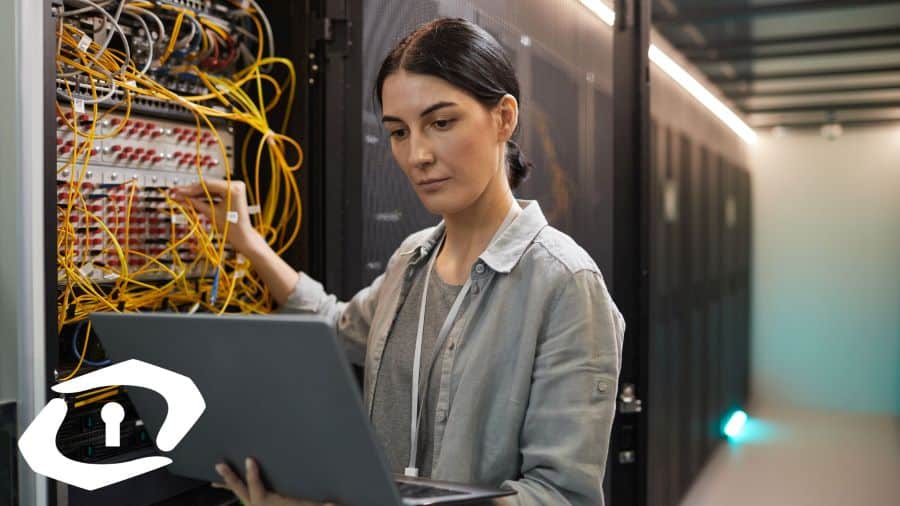
Our remote monitoring tools continuously observe your network, servers, workstations, and devices. Our specialized tools alert us to potential issues that arise on your network in real time. So, instead of waiting for something to break, we can take a proactive approach to detect small problems early and address them before they disrupt your business.
The Benefits of Remote Monitoring
Let’s take a closer look at the five primary benefits of remote monitoring for businesses.
1. Enhanced Security
Cybersecurity threats can strike at any time, often when no one is watching. Remote monitoring tools are your constant eyes on your network, continuously scanning your systems for suspicious activity such as failed login attempts, unauthorized access, and unusual data transfers. With constant vigilance, ShareTech can respond to threats immediately to protect your sensitive data and maintain compliance with industry standards.
2. Improved Efficiency and Performance
Your team’s productivity takes a hit when your systems run slowly or experience glitches. Remote monitoring keeps tabs on system performance metrics such as CPU usage, memory consumption, and network bandwidth to identify inefficiencies before they affect employees. By being proactive, you can ensure peak performance of your technology and your team.
3. Reduced Downtime
Downtime is costly, not only financially, but operationally. Remote monitoring can catch warning signs of hardware failures, software bugs, or overloaded systems before they become full-scale IT disasters. You’ll experience less downtime, fewer emergencies, and greater operational continuity.
4. Predictable Maintenance and Cost Savings
Remote monitoring helps you avoid the costly break-fix model of IT support. By preventing issues, optimizing performance, and fixing problems before they become expensive repairs, you can extend the life of your technology and better manage your IT budget.
5. Real-Time Visibility and Reporting
One of the most underrated benefits of remote monitoring is the ability to watch what’s happening on your network in real time. Detailed reports and real-time dashboards help you understand the health of your IT systems, identify trends, and make data-driven decisions about upgrades or improvements. Your ShareTech team stays on top of these real-time insights for you so you can focus on growing your business.
Remote monitoring is the quiet force behind secure, efficient, and reliable business operations. By combining real-time visibility, proactive security, and performance optimization, ShareTech can ensure your technology consistently supports your business goals.
For expert remote monitoring support and other managed IT services, contact the ShareTech team today.
Remote Monitoring FAQs
What is remote monitoring in IT?
Remote monitoring is the continuous tracking of your network, servers, and devices using specialized tools that alert IT teams to potential issues in real time.
How does remote monitoring improve security?
It detects unusual activity, unauthorized access, and potential cyber threats immediately, allowing ShareTech to respond before sensitive data is compromised.
Can remote monitoring reduce downtime?
Yes. By identifying hardware failures, software issues, or network bottlenecks early, we can resolve problems before they cause business disruptions.
How does remote monitoring save money?
Proactive detection and predictive maintenance prevent costly repairs, reduce emergency IT calls, and optimize system performance, extending the lifespan of technology investments.